
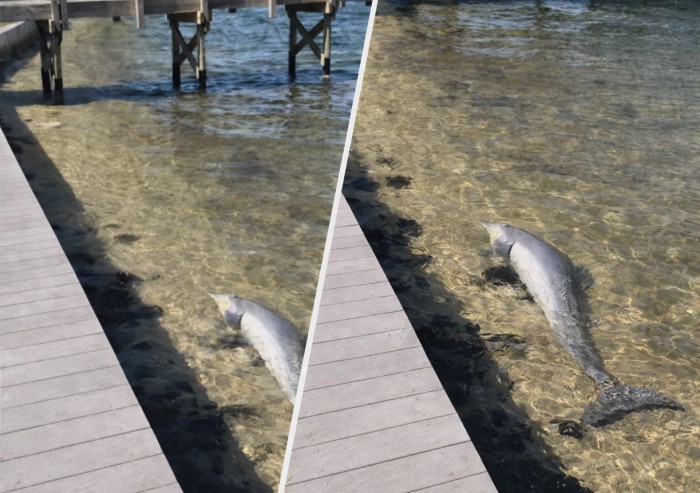
Florida Panhandle Marine Institute, The discovery of 44 dolphins found dead along Florida’s Panhandle has left the local community and environmental experts deeply concerned. Authorities have confirmed that this unusual stranding pattern is not a normal seasonal event, prompting scientists to investigate the causes behind the sudden deaths. Teams are examining water samples, conducting necropsies, and reviewing environmental data to determine whether pollution, disease, or other factors are responsible. Each dolphin provides crucial information that could help prevent further loss of marine life, making the investigation a top priority for conservation effort
44 Dolphins Found Dead: Scientists Investigate
A troubling discovery has shocked marine communities along Florida’s Panhandle. Recently, the Florida Panhandle Marine Institute reported the death of the 44th dolphin this year. This alarming number highlights a sudden and concerning trend of marine life stranding along the Gulf Coast, leaving scientists and locals searching for answers.
The Rising Dolphin Deaths
According to the Florida Panhandle Marine Institute, the majority of these dolphin deaths began to spike on March 7, affecting Gulf and Bay counties. The most recent case involved a dolphin found behind Florida State University’s Panama City campus on March 22. Teams quickly transported the animal to a lab in Navarre to determine the cause of death.
Pam George, president of the marine institute, emphasized the urgency of the situation. “We are deeply concerned about this stranding event. Each dolphin carries critical information about the health of our marine ecosystem,” she said.
The deaths have sparked widespread concern among residents and marine conservationists, as dolphins are often considered key indicators of environmental health.
Scientists Investigate Causes
The sudden increase in dolphin fatalities has prompted a coordinated investigation. Scientists, in collaboration with the Florida Fish and Wildlife Conservation Commission (FWC) and the National Marine Fisheries Service, are working tirelessly to uncover potential causes.
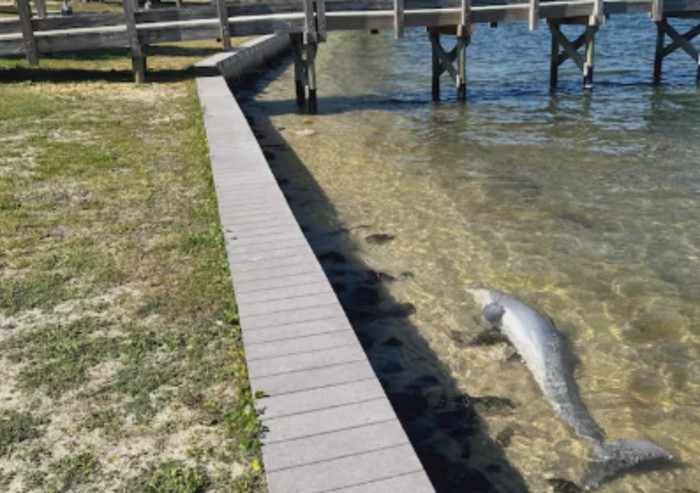
Early hypotheses include:
- Environmental stressors such as sudden changes in water temperature or salinity.
- Pollution or toxins affecting marine life in the Gulf Coast region.
- Disease outbreaks among dolphin populations.
- Human activity, including fishing or boating accidents, that may inadvertently harm marine mammals.
Each deceased dolphin is carefully examined to identify patterns and gather vital data that may prevent further deaths.
Community Involvement
The Florida Panhandle Marine Institute urges the community to report any stranded or deceased dolphins. The FWC provides a dedicated wildlife alert hotline at 888-404-FWCC (888-404-3922) for sightings. Quick reporting is essential for researchers to act swiftly and collect valuable information.
Pam George also emphasized the importance of public support: “Community awareness and involvement play a huge role. Every report helps us understand and respond to this crisis more effectively.”
Protecting Marine Life
Florida Panhandle Marine Institute finds another dolphin dead by FSU Panama City. https://t.co/y2HUXFXXkp
— WJHG-TV (@WJHG_TV) March 23, 2026
Dolphins are not only intelligent and social creatures but also essential for maintaining a balanced marine ecosystem. Their sudden deaths could signal broader ecological issues that may impact other species, including fish and seabirds.
Marine biologists recommend that people visiting coastal areas:
- Avoid approaching stranded or sick dolphins.
- Do not attempt to feed or touch wild dolphins.
- Report unusual sightings immediately to authorities.
These precautions help ensure human safety and preserve scientific integrity while experts conduct their investigations.
The Road Ahead
While the exact cause of these mass dolphin deaths remains unclear, the collaboration between scientists and the community provides hope. Research teams are collecting tissue samples, conducting water quality assessments, and monitoring ongoing dolphin activity in the Gulf Coast region.
The Florida Panhandle Marine Institute continues to provide updates as investigations progress. By raising awareness and taking proactive steps, communities can contribute to the protection of these majestic creatures.
Conclusion
The discovery of 44 deceased dolphins along the Florida Panhandle is a stark reminder of the vulnerability of marine life. As scientists investigate the cause, it is crucial for local communities to stay vigilant and support conservation efforts. Understanding these events not only helps protect dolphins but also ensures the health of the entire marine ecosystem for future generations.
Also read: Eric Crenshaw Missing: Amber Alert Issued in Texas