
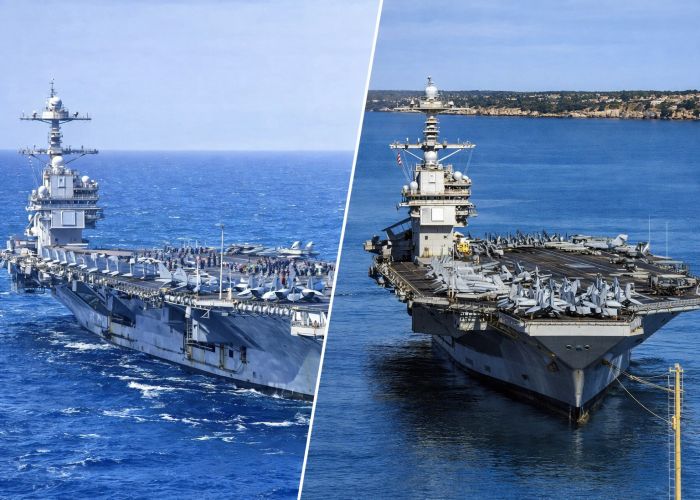
The USS Gerald Ford Latest News highlights a serious incident that has caught global attention. The world’s newest and most advanced aircraft carrier, USS Gerald R. Ford, suffered significant onboard fire damage while on deployment in the Red Sea. This event has raised questions about ship safety, crew conditions, and the future readiness of one of the U.S. Navy’s premier vessels.
In this article, we break down what happened, the effects of the fire, how the Navy is responding, and why this matters all in simple language that’s easy to follow.
What Happened on the USS Gerald Ford?
The most recent USS Gerald Ford Latest News reports that a fire broke out on March 12, 2026, while the carrier was operating in the Red Sea as part of military operations in the Middle East.
- The fire began in the ship’s main laundry area.
- It burned for more than 30 hours before it was fully extinguished.
- Smoke spread through nearby sections of the ship, affecting crew quarters.
- More than 600 sailors were displaced from their bunks and had to sleep on tables or floors.
- Two sailors suffered non‑life‑threatening injuries and were treated onboard.
Naval officials say the fire was not caused by enemy action. Instead, it started in routine ship operations likely linked to the intense daily workload and ash buildup in confined laundry duct areas.
Detailed Look at the Fire Damage
The fire damage on the USS Gerald Ford is now at the center of attention, not just because of what burned, but also because of the lasting effects on life onboard.
How the Fire Spread
Even though the fire started in a small space, it spread into living areas. Smoke and heat damaged:
- Crewmember sleeping quarters
- Machinery spaces connected to ventilation
- Laundry systems needed for day‑to‑day living
More than 100 berths (beds) were destroyed, forcing sailors to make temporary sleeping arrangements. The Navy has already begun moving replacement cots and mattresses from other naval stations.
Injuries and Crew Health
Most injuries were due to smoke inhalation and exhaustion, not the fire flames themselves. Two sailors needed medical care but are now stable. Sailors have reported fatigue and stress, which has added to ongoing morale concerns.
Why the Fire Matters
The USS Gerald Ford Latest News doesn’t just stop at reporting what happened. It also points to bigger issues:
1. Long Deployment Strains
The Ford has been at sea for months far longer than initially planned. Long deployments put strain on equipment and crew maintenance routines.
2. Crew Morale and Conditions
Sailors report frustration with tight living conditions and repeated equipment problems. The fire added to concerns about their quality of life onboard.
3. Operational Readiness Questions
Even though the ship’s main propulsion system was not damaged, questions remain about readiness for future missions and how quickly the carrier can be fully restored.
🚨 BREAKING – Circulating online:
Reports circulating on social media claim that a fire aboard the USS Gerald R. Ford reportedly raged for over 30 hours last week, according to sailors and some military officials. Posts suggest that this occurred while pic.twitter.com/rWdoBEStYG— Iran Press (@GP_Presss) March 17, 2026
What the Navy Is Doing Now
After the fire, the Navy moved quickly to control the situation and protect personnel. Here’s what’s happening next:
Heading to Crete for Repairs
The USS Gerald R. Ford is now scheduled to depart the Red Sea and head to Souda Bay Naval Base in Crete, Greece for targeted repairs.
At the base, technicians will:
- Repair fire‑damaged sections of the ship
- Replace sleeping berths and restore living areas
- Inspect ventilation and laundry systems
- Continue investigations into what caused the fire
Officials say these repairs may take more than a week, depending on damage severity and parts availability.
View this post on Instagram
Crew Support and Recovery
The Navy has also arranged:
- Medical support for affected sailors
- Replacement living gear
- Rest periods as part of recovery plans
Looking Ahead
The USS Gerald Ford Latest News will likely continue to evolve as more investigations and repairs unfold. This event serves as a reminder that even the most advanced warships are vulnerable to accidents at sea. From daily life issues to complex engineering challenges, modern carriers must balance combat readiness with crew safety and system reliability.
For now, the Ford remains operational and ready, even as it seeks temporary shelter for repair. The Navy’s swift response shows commitment to both mission success and sailor welfare.