
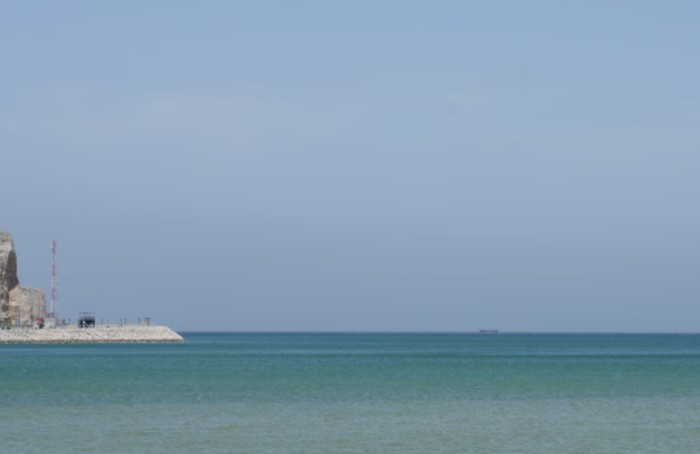
The latest Strait of Hormuz News highlights rising tensions in one of the world’s most critical sea routes, where global energy security is constantly at risk. This narrow waterway has once again drawn international attention due to military surveillance incidents, drone disappearances, and accusations between regional powers. In this sensitive environment, Law and Leverage Collide as countries try to balance international maritime rules with strategic control over shipping lanes. While global laws emphasize free navigation and safety for commercial vessels, real-world power politics often influence actions on the ground.
Strait of Hormuz News – Why the World Is Watching Closely
The Strait of Hormuz News has once again become a global focus as tensions rise in one of the world’s most important sea routes. This narrow waterway connects the Persian Gulf with the open ocean and carries a large share of global oil shipments. Even small disruptions here can affect fuel prices and international trade.
Recent reports show that the region is becoming more unstable due to military activity, political blame games, and legal disputes over maritime rights. According to multiple international reports, there have been incidents involving drones, suspected mines, and rising naval pressure between key regional and global powers.
Strait of Hormuz traffic remains limited
Vessel activity through the Strait of Hormuz has increased slightly since the ceasefire took effect on 8 April, but flows remain well below normal levels. According to #MarineTraffic data, 14 vessels crossed the Strait on 8–9 April,… pic.twitter.com/SI88m4DvrX
— MarineTraffic (@MarineTraffic) April 10, 2026
One of the major concerns is the disappearance of a US surveillance drone, the MQ-4C Triton, over the Strait of Hormuz area. This incident added fuel to already high tensions. At the same time, reports have also suggested confusion around sea mines in the region, with claims that even the deploying side struggled to track them, delaying safe reopening of certain sea lanes.
Another worrying development involves accusations exchanged between countries in the Gulf region. Some reports have pointed toward blame being placed on Iran for drone strikes, even after ceasefire claims were made in broader regional tensions. Kuwait and other regional voices have also expressed concern over security risks affecting nearby waters.
Strait of Hormuz News, These overlapping incidents show how quickly the situation can shift in this strategic corridor.
Key recent developments include:
- Disappearance of surveillance drones in contested waters
- Reports of sea mine tracking issues affecting navigation safety
- Accusations between regional countries despite ceasefire claims
- Increased military surveillance and naval presence
- Rising anxiety in global energy markets
Each of these events adds pressure to an already sensitive geopolitical zone.
Also read: Jimmy Kimmel Melania Statement: White House Surprise Buzz
Law and Leverage Collide: Maritime Power and Global Rules
The situation in the Strait of Hormuz is not just about military activity. It is also about international law, power politics, and control over critical trade routes. This is where Law and Leverage Collide in a very visible and complex way.
On one side, international maritime law is designed to ensure freedom of navigation. Ships carrying oil, gas, and goods are supposed to move safely through global waterways without interference. On the other side, countries in the region often use strategic control, military presence, and political pressure as leverage to strengthen their positions.
This clash becomes more serious when incidents occur at sea. For example, when drones go missing or when mines are suspected in shipping lanes, questions arise about responsibility, accountability, and legal justification. Each side presents its own version of events, making it difficult to establish a clear and universally accepted truth.
The result is a fragile balance where law exists on paper, but leverage often shapes reality on the ground or in this case, at sea.
Experts note that the Strait of Hormuz is especially sensitive because:
- Nearly one-fifth of global oil passes through it
- It is narrow, making navigation vulnerable
- Multiple military forces operate in close proximity
- Any conflict can quickly affect global markets
Even small misunderstandings can escalate into larger diplomatic or military standoffs. That is why global powers continue to monitor the region closely and call for restraint.
Recent developments also highlight how technology plays a role in modern conflicts. Advanced drones, surveillance systems, and naval monitoring tools are now central to operations in the area. However, when these systems fail or disappear under unclear conditions, they create more confusion and suspicion.
A Region on Edge
The ongoing Strait of Hormuz News reflects a deeper global challenge. It is not just about one region but about how modern nations manage shared waterways under stress. With rising military activity and legal disagreements, the risk of miscalculation remains high.
At the same time, Law and Leverage Collide continues to define the region’s reality. Legal frameworks aim for stability, but strategic interests often push in the opposite direction. Until trust improves and communication strengthens, the Strait of Hormuz will remain one of the world’s most closely watched and sensitive maritime zones.
For now, the world is left watching closely hoping that diplomacy can keep this vital waterway open, safe, and stable for global trade.
Also read: Who Is Jamie Raskin: Why Jamie Raskin Demands Are Trending