
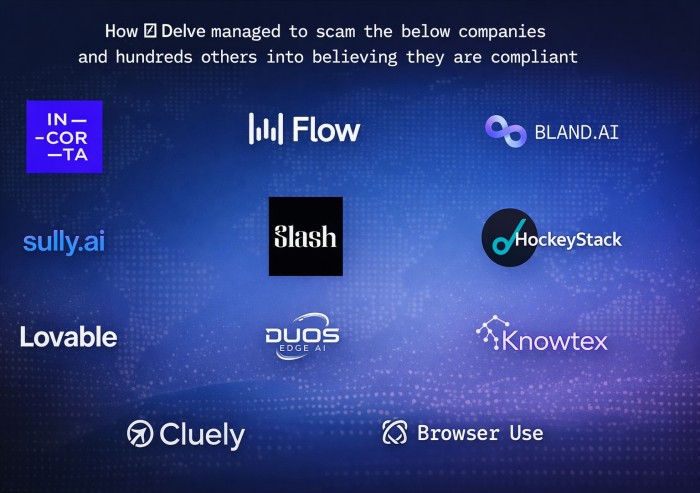
In recent weeks, the Delve Scandal Fraud Allegations has shaken the tech community. What started as praise for a fast‑rising startup has now turned into serious questions about its core business. Delve, a company backed by prestigious investors and accelerators, is facing claims that it misled customers and regulators. These accusations have sparked widespread concern among technology leaders, compliance teams, and startup founders.
What Is the Delve Scandal Fraud Allegations About?
At its core, the Delve Scandal Fraud Allegations refer to claims that the company provided misleading compliance assurances to its customers. Delve operates in the compliance and audit space. It uses software to help companies meet important standards like HIPAA, GDPR, and other security requirements. On paper, this looked like a useful and modern solution for businesses struggling with complicated regulatory landscapes.
However, a whistleblower published a detailed report asserting that Delve didn’t just help automate compliance work it may have fabricated audit evidence and certificates that showed clients were compliant when they weren’t. If true, this would mean many businesses believed they met regulatory requirements while being at real risk of penalties or breaches.
How Did the Allegations Surface?
The Delve Scandal Fraud Allegations first came into public view through an anonymous Substack post from someone claiming inside knowledge. This individual described themselves as part of a Delve client organization. In their account, they said Delve:
- Provided pre‑filled audit outcomes before any real review occurred
- Created standardized audit reports that only changed logos and client names
- Used auditing firms tied to the company, rather than true third‑party auditors
- Generated fake compliance documents as proof for certificates
These practices, if accurate, blur the line between automation and falsification. True compliance certification involves independent verification, not auto‑generated certificates.
View this post on Instagram
Why These Fraud Allegations Matter
The Delve Scandal Fraud Allegations aren’t just about one company failing to follow best practices. They cut to the heart of trust in automated compliance services. When businesses rely on tools to prove they meet safety, privacy, or security standards, they expect that the results are real and defensible if questioned by regulators.
Here’s why this is a serious issue:
- Legal risk for clients: If compliance certificates are invalid, companies may face fines or penalties. Regulations like GDPR and HIPAA carry strict consequences for non‑compliance.
- Loss of confidence in tech tools: The promise of AI and automation in compliance has been strong. But this controversy could make businesses more cautious about adopting similar solutions.
- Investor and market impact: Delve had raised significant funding and was seen as a rising star. Claims of misleading practices can affect its valuation, future investment, and relationships with partners.
What Delve Has Said in Response
After these Delve Scandal Fraud Allegations spread, the company responded publicly. Delve asserted that:
- It does not issue compliance certificates itself
- Its platform only helps companies prepare documentation
- Final audit reports come from independent auditors, not Delve
- Some claims in the whistleblower’s post were “misleading” or inaccurate
This is a common response in early stages of such disputes the company denies wrongdoing while an investigation unfolds. But many clients and observers remain uneasy and have called for independent review.
What This Means for Businesses and Compliance
Even with mixed statements, the Delve Scandal Fraud Allegations remind every business to exercise caution. If a third‑party service claims to help your company with compliance:
- Verify the auditor – Confirm audits are performed by licensed, independent firms.
- Check documentation thoroughly – Don’t accept certificates without reviewing how they were generated.
- Have contingency audits ready – If compliance tools produce results quickly, plan for a backup audit from another provider.
These steps help protect against legal exposure and build resilience into your compliance strategy.
Final Thoughts: A Wake‑Up Call for the Industry
The Delve scandal fraud allegations highlight the danger when trust intersects with technology and regulation. Automation can make compliance easier, but it must never replace genuine verification. Whether the accusations are proven or disproven, this episode serves as an important lesson: transparency, accuracy, and integrity matter most when dealing with regulated standards.
Understanding these issues early can save companies from legal trouble and reputational damage. As the story continues to unfold, businesses both large and small should stay informed and vigilant.