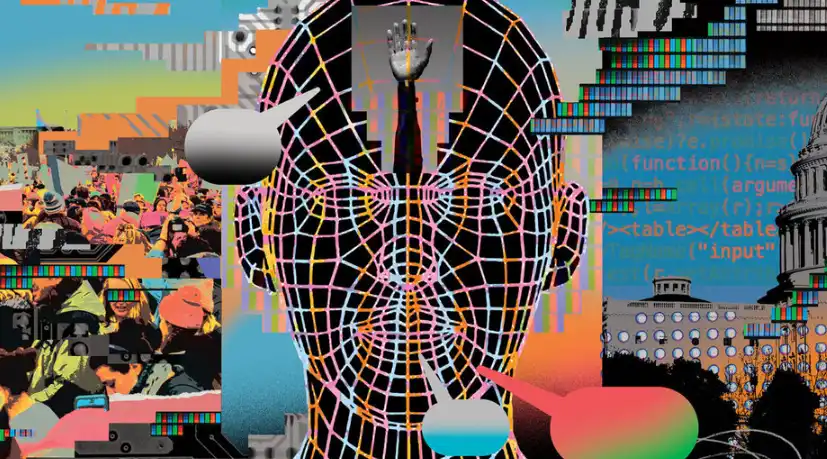
AI Deepfake Laws After Election Concerns have become a global priority as governments react to rising fears around misinformation, election interference, and public trust erosion. In recent elections across multiple regions, manipulated videos, fake speeches, and AI-generated voices have raised serious questions about how technology can influence voters before authorities are able to respond.
What was once considered a niche technology issue is now being treated as a direct threat to democratic systems. As a result, lawmakers are moving quickly to introduce stricter regulations targeting deepfake creation, distribution, and misuse.
What Triggered the Push for Deepfake Regulation?
The urgency around deepfake regulation did not come from theory—it came from real-world incidents. During recent election cycles, several viral videos surfaced that appeared to show political leaders making controversial statements. In many cases, these videos were later proven to be fake, but the damage had already been done.
Key concerns that triggered action include:
-
Voters being misled before fact-checks could catch up
-
Fake audio clips impersonating candidates
-
Manipulated videos spreading rapidly on social media
-
Foreign interference using AI-generated propaganda
These incidents highlighted how existing laws were not equipped to handle AI-driven misinformation.
AI Deepfake Laws After Election Concerns: The Global Response
The debate around AI Deepfake Laws After Election Concerns is no longer limited to one country. Governments across regions are discussing coordinated frameworks to control how synthetic media is created and shared.
Several authorities are now considering:
-
Mandatory labeling of AI-generated content
-
Criminal penalties for malicious deepfake use
-
Platform responsibility for detecting fake media
-
Emergency powers during election periods
The focus is not on banning AI, but on preventing its misuse during sensitive democratic processes.
How Deepfakes Threaten Election Integrity
Deepfakes are especially dangerous during elections because they exploit emotional reactions. A single fake clip released at the right moment can influence public opinion before corrections reach the same audience.
Major risks include:
-
Fake confessions or policy statements
-
False endorsements or resignations
-
Suppressed voter turnout through misinformation
-
Loss of trust in authentic media
Once voters start questioning whether any video or audio is real, confidence in the entire information system weakens.
Governments Planning Stricter Legal Frameworks
Lawmakers are now shifting from discussion to enforcement. New legal proposals focus on accountability at multiple levels.
Key Elements of Proposed Deepfake Laws
Governments are working on laws that may include:
-
Clear legal definitions of deepfake content
-
Disclosure requirements for AI-generated media
-
Faster takedown rules during elections
-
Penalties for creators and distributors of malicious deepfakes
These measures aim to close legal gaps that previously allowed harmful content to spread unchecked.
Role of Social Media Platforms
Technology companies are under increasing pressure to act faster and more transparently. Many governments argue that platforms benefit from viral content and must share responsibility when that content is harmful.
Proposed obligations for platforms include:
-
Real-time detection tools for manipulated media
-
Visible warning labels on suspected deepfakes
-
Cooperation with election authorities
-
Data sharing during investigations
Failure to comply could result in heavy fines or operational restrictions.
AI Deepfake Laws After Election Concerns and Free Speech Debate
One of the biggest challenges in drafting AI Deepfake Laws After Election Concerns is balancing regulation with freedom of expression. Critics worry that overly broad laws could be misused to censor satire, journalism, or political dissent.
Governments are attempting to address this by:
-
Exempting parody and artistic expression
-
Requiring proof of malicious intent
-
Protecting investigative journalism
-
Limiting emergency powers to election periods
The goal is precision regulation, not blanket censorship.
Impact on Political Campaigns
Political parties and candidates are already adapting to the new reality. Campaign teams now monitor digital platforms constantly and prepare rapid response strategies for fake content.
Campaign changes include:
-
Verifying official communication channels
-
Using digital watermarking
-
Educating voters about deepfake risks
-
Coordinating with authorities in advance
In 2026 and beyond, digital literacy may become as important as traditional campaigning.
Challenges in Enforcement
Despite strong intent, enforcing deepfake laws remains complex. AI tools evolve faster than legislation, and identifying the original source of manipulated content is often difficult.
Major enforcement challenges include:
-
Anonymous creators operating across borders
-
Rapid content replication
-
Encrypted communication channels
-
Limited technical expertise in enforcement agencies
This is why many governments are investing in AI-based detection systems alongside legal reforms.
AI Deepfake Laws After Election Concerns: What Comes Next?
As AI Deepfake Laws After Election Concerns move from policy drafts to real enforcement, the next phase will focus on global cooperation. Election interference does not respect borders, and isolated laws may not be enough.
Expected next steps include:
-
International standards for synthetic media
-
Cross-border data sharing agreements
-
Joint election monitoring initiatives
-
Public awareness campaigns
The success of these efforts will depend on how quickly institutions can adapt to technological change.
Public Awareness Is Key
Experts agree that laws alone cannot solve the problem. Public awareness plays a critical role in reducing the impact of deepfakes.
Voters are encouraged to:
-
Verify sources before sharing content
-
Be cautious of emotionally charged videos
-
Follow official election channels
-
Understand how AI manipulation works
An informed public is the strongest defense against misinformation.
Conclusion: Democracy in the Age of Synthetic Media
AI Deepfake Laws After Election Concerns represent a turning point in how societies protect democratic processes in the digital age. While AI technology itself is neutral, its misuse during elections poses real risks that can no longer be ignored.
Governments, platforms, and citizens now share responsibility. The coming years will determine whether regulation can keep pace with innovation—or whether trust in public information continues to erode.
One thing is clear: safeguarding elections now requires both strong laws and smarter awareness.